
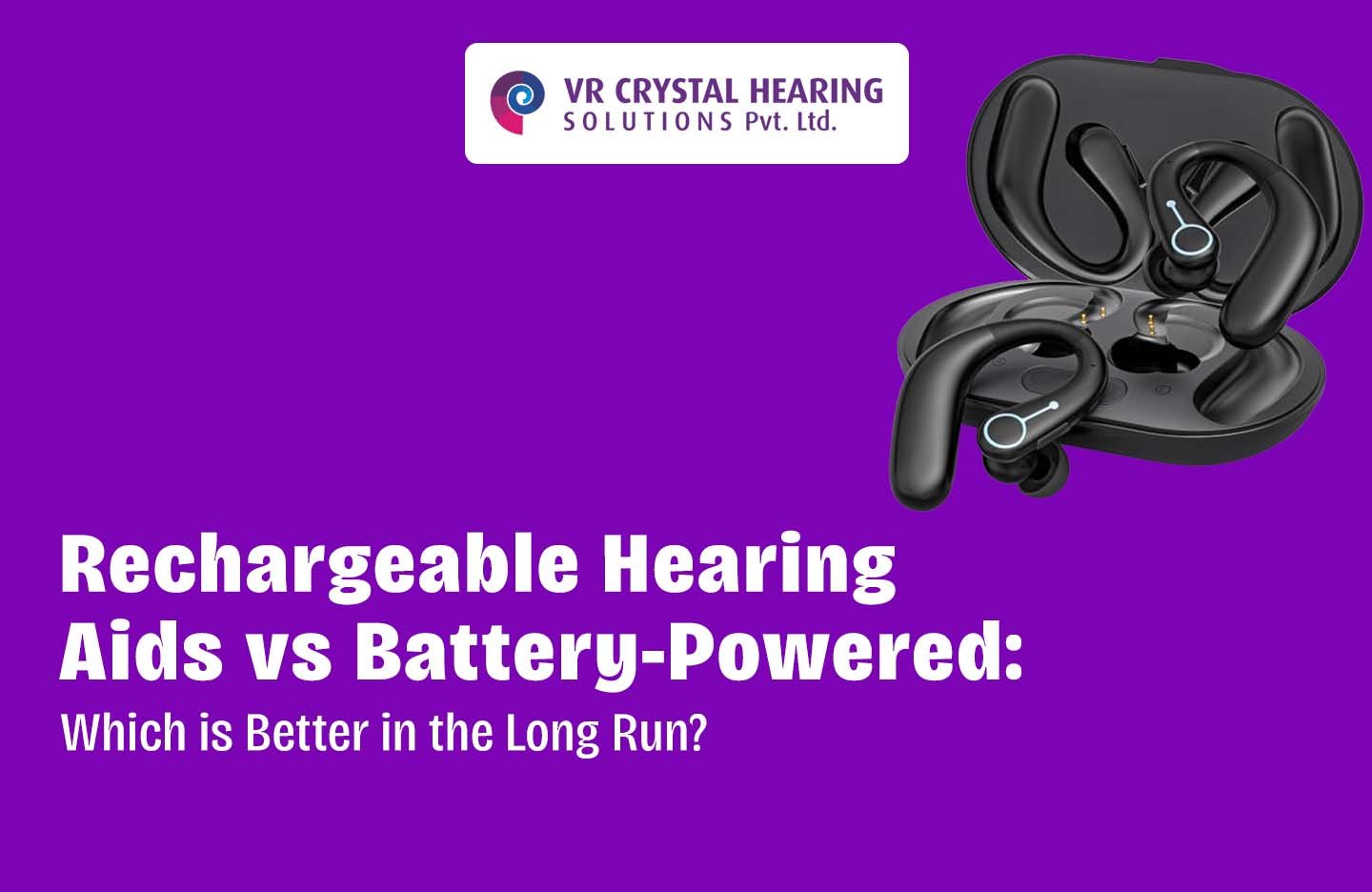
Choosing the best hearing aid is not only about sound quality—it is also about long-term convenience, comfort, and reliability. One of the most common queries people who use hearing aids have today is if rechargeable hearing aids are superior to hearing aids that run on batteries.
With developments in digital hearing aid technology, both options have their advantages. Knowing how they are different will help you make a better choice that will last based on your age, lifestyle, and daily demands.
Learning about rechargeable hearing aids
Rechargeable hearing aids include built-in lithium-ion batteries that can be charged overnight in a charging dock. Most new rechargeable hearing aids can be used for a whole day when they are fully charged, even with Bluetooth streaming and noise management functions.
Seniors and working adults like these hearing aids a lot because they don’t need to change batteries as often.
How to Understand Hearing Aids That Run on Batteries
Hearing aids that run on batteries use zinc-air batteries that need to be changed often. Batteries can last anywhere from 3 to 10 days, depending on the type of hearing aid and how often it is used.
Many people still select hearing aids that run on batteries since they are familiar, easy to replace, and don’t need charging stations.
What is the difference between hearing aids that need to be charged and those that run on batteries?
Convenience and everyday use
Rechargeable hearing aids are easier to use, especially for older persons or people who have problems seeing or using their hands. Every night, you have to put the hearing aids in a charger as part of your routine.
Some people may have trouble changing the batteries in battery-powered hearing aids, which can cease operating at any time.
Dependability Over Time
Rechargeable hearing aids are sealed, so they are less likely to break when they come into contact with dust and moisture. This is a significant plus for India’s weather. You have to access the battery compartment on battery-powered devices a lot, which wears them out over time.
In the long term, rechargeable hearing aids are usually more reliable and don’t need as much care.
Help with technology and sound performance
Rechargeable batteries work well with most high-end digital hearing aids these days, like Bluetooth hearing aids and AI-based sound processors. Rechargeable batteries give a consistent flow of power, which keeps the sound quality the same all day.
When the battery in a hearing aid starts to fail and needs to be replaced, it may not operate as effectively as it should.
Effects on the environment
Rechargeable hearing aids are better for the environment. Over the course of several years, disposable batteries create a lot of trash. Rechargeable devices help with this and also make it easy to avoid having to buy new batteries all the time.
Good for Different Users
Rechargeable hearing aids are great for:
- Older people
- People who have arthritis or trouble seeing
- People who wear hearing aids every day
- People that use Bluetooth and streaming
Hearing aids that run on batteries may be good for:
- People who use it sometimes
- People who live in places where electricity is hard to get
- People who want to change their batteries right away when traveling
Which is better in the long run?
Most people think that rechargeable hearing aids are more useful, long-lasting, and easy to use. They are especially useful for people who use hearing aids all day and want something that doesn’t need a lot of care.
People who need to be able to move about easily or have other specific needs can still use battery-powered hearing aids. You should listen to what a professional says and how comfortable you are with it before making a choice.
The difference is that you get support from a pro.
You should always have a professional hearing test before deciding between rechargeable and battery-powered hearing aids. A trained hearing care professional can look at your hearing loss, daily schedule, and how comfortable you are with handling before suggesting the ideal option.
Crystal Hearing Solutions helps each customer find the right hearing aids and gives them continuing support to make sure they are happy with their hearing aids for a long time.
Final Thoughts
Hearing aids that can be recharged and those that run on batteries are both helpful in current hearing care. Rechargeable hearing aids, on the other hand, are what most people who want long-term comfort, consistent performance, and little upkeep are choosing.
You may be sure that the hearing aid you choose will help you hear better and make your life better if you talk to a specialist and obtain the right fit.
FAQs
Q1. How long can you use rechargeable hearing aids before they need to be charged again?
A: Most rechargeable hearing aids will last all day, even if you use them often and stream music over Bluetooth.
Q2: Are it safe for older people to use rechargeable hearing aids?
A: Yes. They are easy to use, get rid of little batteries, and make handling easier.
Q3. What happens to a rechargeable hearing aid battery as it gets older?
A: If necessary, authorized personnel can maintain or replace lithium-ion batteries, which are made to last for several years.
Q4. Are hearing aids that run on batteries still available?
A: Yes. Many versions still use batteries that can be thrown away, especially smaller or more specialized hearing aids.
Q5. Which kind is better for the weather in India?
A: Because they are sealed, rechargeable hearing aids are often better because they keep out dust and moisture.
📞 Call now for a consultation and learn about safe, comfortable & easy to use hearing aids that can help you or your loved one confident, connected living—regardless of age.